
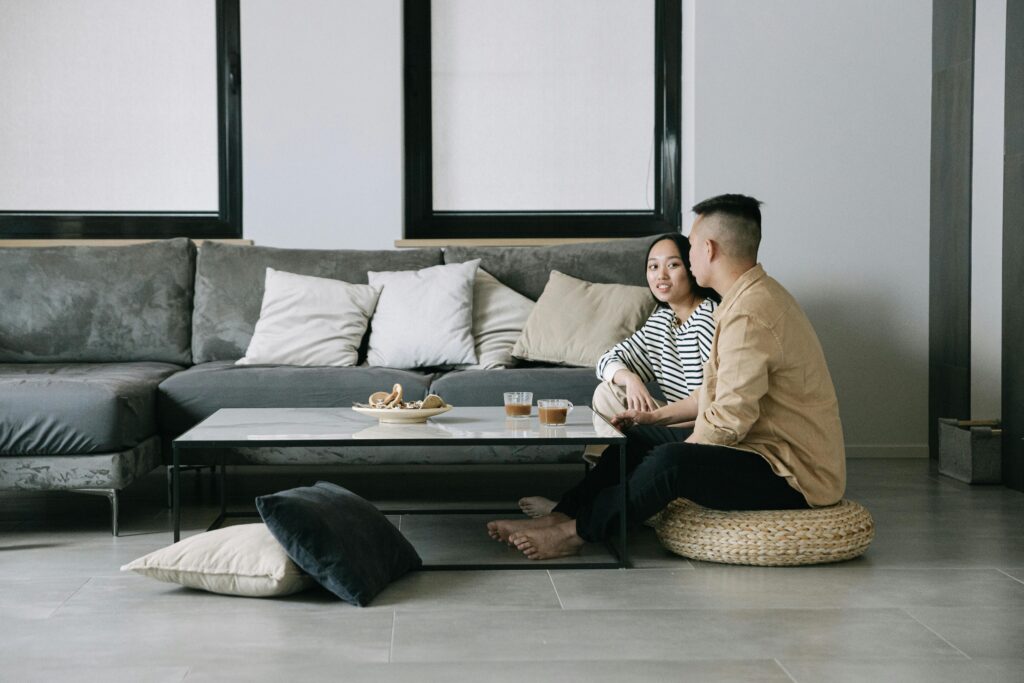
Japandi living room ideas are among the most sophisticated and most searched interior design topics right now — and for very good reason. The japandi aesthetic creates living spaces of extraordinary beauty, calm, and intentionality — spaces that feel both deeply minimal and deeply warm at the same time.
Japandi is a fusion of Japanese wabi-sabi philosophy and Scandinavian hygge — combining the Japanese love of empty space, natural imperfection, and profound simplicity with the Scandinavian celebration of warmth, comfort, and functional beauty.
I discovered japandi style during a particularly stressful period of my life — when I desperately needed my home to feel calm and restorative. Transforming my living room in a japandi direction was one of the best decisions I have ever made. Here is everything I learned!
1. What Makes Japandi Living Room Ideas So Special
Before diving into specific japandi living room ideas, it helps to understand what makes the japandi aesthetic so uniquely appealing. The japandi living room is designed to feel genuinely restful — free from visual noise, clutter, and the constant stimulation of over-decorated rooms.
A japandi living room is a space where you can truly relax, truly breathe, and truly restore yourself after a demanding day.
My experience: Before my japandi transformation, my living room felt busy and slightly chaotic. After my japandi transformation, I could walk in and immediately feel my shoulders drop and my breathing slow. That physical sense of calm is the gift of japandi living room ideas done well.
Pro Tip: The key to japandi living room ideas is restraint — the willingness to have less than feels comfortable. Every object removed from a japandi living room makes the remaining objects look more beautiful. For minimalist inspiration check out our guide on minimalist room decor ideas.
2. Choose a Warm Japandi Color Palette
The japandi color palette is the foundation of all japandi living room ideas. Unlike cold minimalism — which uses stark white and cool grey — japandi uses warm, muted, nature-inspired tones that feel simultaneously clean and inviting.
Warm white, soft cream, warm grey, muted sage green, dusty terracotta, warm beige, and rich warm black — these are the colors of the japandi palette.
My japandi living room palette: Warm white walls. Warm oak in all my wooden furniture. Warm grey linen sofa. Warm black accents in my lamp, cushions, and picture frames. One muted sage green accent in my single large plant.
The combination creates a living room that feels simultaneously clean and warm — never cold or clinical.
Pro Tip: Warm black is the most important japandi accent color — it adds the sophisticated Japanese edge that distinguishes japandi from plain Scandinavian style. Use it in your light fixtures, cushions, and hardware. For color ideas check out our guide on color schemes for small rooms.
3. Choose Low Profile Furniture
Low profile furniture is one of the most distinctive elements of japandi living room ideas. Low sofas, low coffee tables, and floor cushions all create a sense of groundedness and calm while making your ceiling feel dramatically higher.
What I chose: A low profile linen sofa in warm grey — slim legs, clean lines. A low oak coffee table. Two floor cushions for additional seating. The low, horizontal emphasis creates a beautifully grounded atmosphere that is central to the japandi aesthetic.
Pro Tip: When choosing a japandi sofa, prioritize clean lines and slim legs over deep, plush seating — a japandi sofa should look elegant and restrained. For furniture ideas check out our guide on small space furniture ideas.
4. Use Natural Materials Throughout
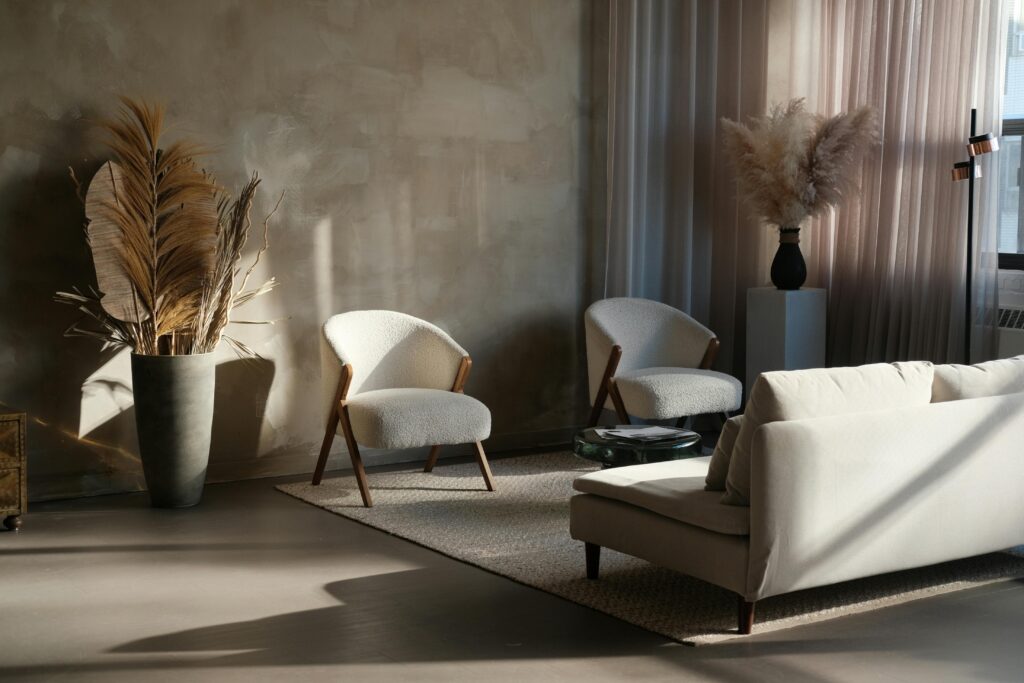
Natural materials are absolutely central to japandi living room ideas. Wood, bamboo, linen, cotton, stone, and ceramic — all in their most natural forms — create the organic warmth that prevents a japandi living room from feeling cold or sterile.
What I use: Warm oak for all wooden furniture. Natural linen for my sofa and cushions. A wool rug in warm grey. Handmade ceramic accessories. Each natural material adds warmth and organic beauty that synthetic materials simply cannot replicate.
Pro Tip: Always choose warm-toned wood for japandi furniture — avoid cool grey-washed finishes. Warm oak and natural ash are the most authentically japandi wood choices. For natural material ideas check out our guide on japandi interior design for small spaces.
5. Embrace Empty Space
One of the most distinctive of all japandi living room ideas is embracing empty space — what the Japanese call ma. In japandi design, empty space is not something to be filled — it is a design element in itself.
How I embrace empty space: I removed about 60% of my living room objects. I leave large sections of walls bare. My coffee table has only three items — a small ceramic bowl, one book, and one plant. My shelves have breathing room between objects.
The result — each remaining object looks more beautiful and more intentional than it ever did surrounded by clutter.
Pro Tip: Remove at least 40% of the decorative objects currently in your living room — the remaining objects will immediately look more beautiful with space around them. For decluttering ideas check out our guide on small space living tips.
6. Add One Statement Plant
Plants are important in japandi living room ideas — but used very differently from boho style. In japandi design, one or two carefully chosen, architecturally beautiful plants are used rather than many scattered throughout.
My japandi plant: One large monstera in a handmade ceramic pot in the corner of my living room. That single plant — chosen for its architectural quality — has more impact than ten smaller plants scattered around.
It is a living sculpture that anchors the entire japandi aesthetic of my living room.
Pro Tip: Choose plants with strong architectural qualities — monstera, fiddle leaf fig, snake plant, or olive tree all have clean, sculptural silhouettes that complement japandi furniture beautifully. For plant ideas check out our guide on small space plants ideas.
7. Use Functional Minimalism
Functional minimalism is at the heart of japandi living room ideas — every object should be both beautiful AND functional. Purely decorative objects are kept to an absolute minimum.
How I apply this: My coffee table tray — beautiful and functional, corralling my remote, candle, and small plant. My wooden shelving — beautiful and functional, holding books and hidden storage. My ceramic bowl — beautiful and functional, holding keys and small items.
Pro Tip: Before adding any object to your japandi living room, ask — is it beautiful? And is it useful? If the answer to both is yes, it belongs. For more ideas check out our guide on minimalist room decor ideas.
8. Use Soft Warm Lighting
Lighting is crucial in japandi living room ideas — and always soft, warm, and layered rather than bright and overhead.
My japandi lighting: A beautiful paper pendant light above my coffee table. A wooden floor lamp with a warm linen shade beside my reading chair. Warm white 2700K bulbs throughout. Two candles in ceramic holders in the evenings.
Together they create a warm, calm, atmospheric lighting scheme — never harsh, never clinical, always inviting.
Pro Tip: A Japanese paper pendant light is the most authentically japandi lighting choice — it diffuses light beautifully and adds an unmistakably Japanese design element. Find affordable options on Amazon. For lighting ideas check out our guide on small space lighting ideas.
9. Layer Cozy Textiles for Warmth
While japandi living room ideas emphasize minimalism, they also celebrate warmth — thanks to the Scandinavian hygge influence. Carefully chosen, high quality textiles add warmth without visual clutter.
What I use: A natural wool rug in warm grey. Two linen cushions in warm cream. One warm grey knit throw draped over the sofa arm. Each textile is high quality, natural material, and adds warmth without adding visual noise.
Pro Tip: In a japandi living room, choose a maximum of two colors for your textiles — warm cream and warm grey work beautifully together. For textile ideas check out our guide on cozy small space decor ideas.
10. Add Handmade and Organic Objects
The final japandi living room idea is adding handmade and organic objects — the wabi-sabi element that adds warmth and humanity to clean japandi lines.
What I display: A handmade ceramic bowl on my coffee table — slightly irregular, beautifully imperfect. A piece of driftwood on my shelf. A small ceramic vase with a single stem of dried pampas grass. Each handmade object adds the wabi-sabi warmth that distinguishes japandi from cold minimalism.
Pro Tip: Look for handmade ceramics at local craft markets — pieces with slight irregularities and natural imperfections are the most authentically wabi-sabi. For handmade decor ideas check out our guide on cottagecore home decor small space.
My Final Thoughts
Japandi living room ideas have completely transformed how I feel in my home. My living room is now a space of genuine calm and beauty — somewhere I can truly relax and restore myself every single day.
The warm color palette, low profile furniture, single statement plant, paper pendant light, and embracing empty space had the biggest impact in my own japandi transformation.
Start with decluttering and choosing a warm japandi color palette — these two changes alone will immediately begin your japandi transformation.
Which of these japandi living room ideas are you going to try first? Let me know in the comments — I would love to hear about your japandi journey!
For more small space inspiration explore all our articles on Tiny Room Style!