
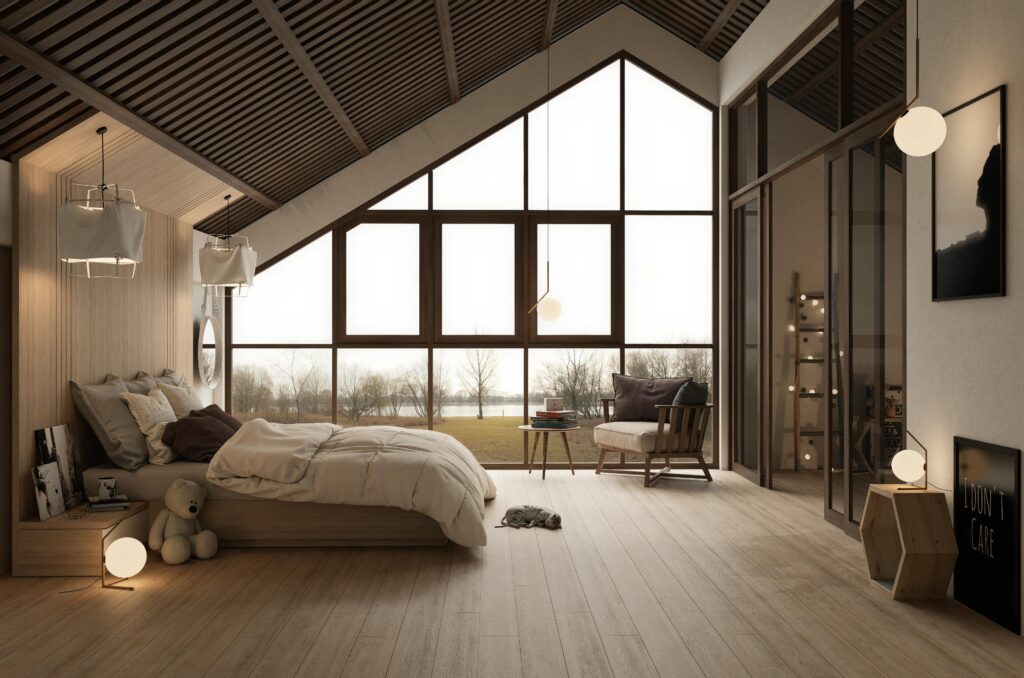
I have redecorated my bedroom four times in the past six years. Each time I chose a different aesthetic — and each time I learned something new about what I actually wanted from my most personal space.
My first bedroom was all white minimalism. Beautiful in photographs. Cold in person. I lasted eight months before I needed warmth.
My second was maximalist eclectic. Joyful and personal. Slightly overwhelming after a long day. I lasted a year.
My third was dark academia. Extraordinary atmosphere. Genuinely difficult to wake up in on bright summer mornings.
My current bedroom — a warm neutral with boho touches — is the first one I have decorated and not wanted to change. I have been in it for two years and I still smile when I walk into it.
Here is everything I learned from all four attempts — and the ten bedroom aesthetic ideas that I think are most worth considering!
1. How to Choose Your Bedroom Aesthetic
Before exploring specific bedroom aesthetic ideas, I want to share the process I now use to choose an aesthetic — because choosing the wrong one is expensive, time-consuming, and genuinely frustrating.
The questions I ask before committing:
How do I want to feel in my bedroom? Not how do I want it to look — how do I want to feel. Calm? Energized? Romantic? Cozy? Inspired? The right aesthetic creates the right feeling.
What do I actually enjoy looking at for long periods? Not what looks beautiful in photographs. What do I genuinely enjoy being surrounded by for hours at a time? My dark academia bedroom was stunning in photographs. But after two months I found the dark walls slightly oppressive in the morning.
What is my lifestyle like? A maximalist bedroom requires regular maintenance to stay beautiful. A minimalist bedroom requires discipline to keep clear. A boho bedroom requires genuine engagement with plants and natural materials. Choose an aesthetic that works with your actual life — not an idealized version of it.
Pro Tip: Live with a Pinterest board for your chosen aesthetic for two weeks before buying anything. Save every image that appeals to you. At the end of two weeks, look at what you consistently saved — the patterns reveal your true aesthetic preferences more accurately than any single moment of inspiration. For aesthetic inspiration check out our guide on aesthetic room decor ideas.
2. Warm Neutral Aesthetic — The One I Keep Coming Back To
After three different bedroom aesthetics, I came back to warm neutral. And I think it is because warm neutral is not actually a single aesthetic — it is a foundation that allows your personality to show through in the details.
What warm neutral looks like in practice: Warm white walls. Warm cream linen bedding — the single most impactful element. Warm oak floating shelves. Natural textures throughout — linen, rattan, jute, ceramic. Plants in terracotta pots. Warm layered lighting.
Why I love it: It photographs beautifully. It never feels dated. It works in any size space. It makes me feel calm in the evening and bright in the morning. And within the neutral framework, my personal objects — my crystals, my books, my photographs, my plants — feel celebrated rather than competing.
Who it suits: Anyone who wants a calming, restful, timeless bedroom. Anyone who tends to redecorate frequently and wants a foundation that works through aesthetic changes. Anyone who finds bold colors or patterns overstimulating in a sleeping environment.
Pro Tip: Linen bedding in warm cream is the single most impactful investment in the warm neutral bedroom aesthetic — it elevates every other element around it and makes your bed look genuinely luxurious. For warm neutral ideas check our guide on japandi bedroom ideas.
3. Bohemian Aesthetic — The Most Personal
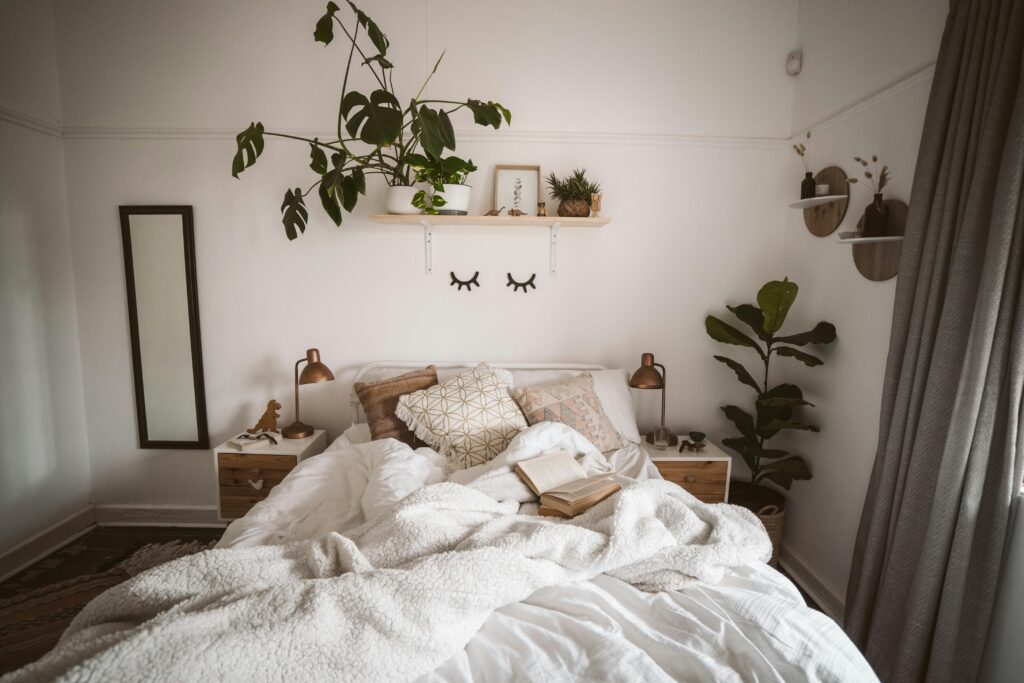
My current bedroom is warm neutral with significant boho influence — and the boho elements are the ones I love most specifically.
What boho looks like in practice: Terracotta accent wall behind the bed. A large macrame wall hanging above it — found at a local craft market. Trailing plants at multiple heights — pothos on the highest shelf, succulents on the windowsill, string of hearts hanging above my reading corner. Layered textures — embroidered cushions, woven throw, jute rug. Warm amber lighting from multiple sources.
Why I love boho elements: They make a bedroom feel genuinely lived in and loved. The imperfection is the point — a macrame has irregular handmade knots, a terracotta pot has slight variations in color, an embroidered cushion has the small irregularities of handwork. These imperfections make the space feel human rather than designed.
My boho bedroom journey: I started with one macrame and one terracotta pot. I liked them so much that I added a second plant, then a third, then the terracotta accent wall, then the embroidered cushions. Boho builds naturally — each element suggests the next.
Who it suits: Anyone who loves natural materials, plants, and the warmth of handmade objects. Anyone who finds strict minimalism cold or stark. Anyone who wants a bedroom that feels genuinely personal rather than aesthetically controlled. For boho bedroom ideas check our guide on boho small bedroom ideas.
4. Dark Academia Aesthetic — The Most Atmospheric
I lived in my dark academia bedroom for fourteen months. It was the most atmospherically extraordinary bedroom I have ever had — and the one I find most difficult to recreate accurately in photographs.
What dark academia looks like in practice: Deep forest green walls — all four, including the ceiling. Dark wood furniture — a vintage writing desk, dark bookshelves, a wooden wardrobe. Books everywhere — organized by color on floor-to-ceiling shelves. Brass candlesticks and warm amber candlelight every evening. Vintage botanical prints in a gallery wall. A leather-bound journal on the desk.
What I loved: The atmosphere in the evenings was extraordinary — warm candlelight, dark green walls, the smell of old books, and the feeling of being in a beautiful private library. I did genuinely excellent thinking and writing in that room.
What I found difficult: Waking up on bright summer mornings in a dark green room with limited natural light was harder than I expected. And maintaining the atmosphere required consistent effort — the aesthetic looked spectacular when everything was right and slightly chaotic when anything was out of place.
Who it suits: People who love books, history, and intellectual atmosphere. Night owls who do their best work and thinking in the evenings. People who genuinely enjoy the maintenance that a high-atmosphere aesthetic requires. For dark academia ideas check our guide on dark academia room decor ideas.
5. Cottagecore Aesthetic — The Most Romantic
I have never decorated a bedroom in full cottagecore — but I have incorporated cottagecore elements into several bedrooms and they consistently add the most romantic and most personally meaningful qualities.
What cottagecore looks like in practice: Vintage floral bedding — a genuine vintage quilt if you can find one. Dried flowers hung from ceiling hooks or displayed in ceramic pitchers. Vintage ceramics on open shelves. Pressed flower frames on the walls. Lace curtains filtering soft natural light. Fresh wildflowers in a simple pitcher on the bedside table.
The cottagecore element I love most: Dried flowers. A bunch of dried lavender hung above a bed transforms the atmosphere of an entire bedroom — visually beautiful, gently fragrant, and deeply romantic. I have had dried lavender in every bedroom for the past three years regardless of my primary aesthetic.
Why cottagecore works so well in bedrooms: The bedroom is the most intimate room in the home — and cottagecore is the most intimate of all aesthetics. It celebrates personal history, handmade objects, and the gentle beauty of natural things. These qualities feel exactly right in the room where you begin and end every day.
Who it suits: Anyone who loves vintage, nature, and the romantic beauty of imperfect handmade things. Anyone who finds bold or graphic aesthetics overstimulating in a sleeping environment. For cottagecore ideas check our guide on cottagecore home decor small space.
6. Japandi Aesthetic — The Most Calming
After my dark academia bedroom I needed something genuinely calming — and a three-month japandi bedroom experiment gave me the most restful sleep of my adult life.
What japandi looks like in practice: Warm white walls — all four, ceiling included. Low platform bed in warm oak with quality linen bedding in warm cream. Floating bedside shelves instead of tables — clear floor on both sides. One large snake plant in a white ceramic pot. A paper pendant light. Natural wool rug in warm grey. Warm black accents in the lamp and frames.
What I loved most: The clarity. Every object in the room had been chosen with genuine intention. There was nothing unnecessary. The room felt like a breath after the intensity of dark academia — quiet, clean, and profoundly peaceful.
The japandi sleep discovery: I consistently fell asleep faster and woke up feeling more rested in my japandi bedroom than in any other I have had. I believe this is because the visual quiet of the space — no clutter, no competing elements, no visual stimulation — allowed my nervous system to genuinely switch off.
Who it suits: Anyone who struggles with sleep or finds it difficult to mentally switch off. Anyone who finds visual clutter stressful. Anyone who values genuine calm over visual excitement in a sleeping environment. For japandi bedroom ideas check our guide on japandi bedroom ideas.
7. Soft Girl Aesthetic — The Most Joyful
I have never had a full soft girl bedroom — but I spent a weekend helping my younger sister create one and the experience gave me genuine insight into why this aesthetic is so beloved.
What soft girl looks like in practice: Blush pink walls — the specific shade matters enormously. Fluffy white bedding with pink heart cushions. Fairy lights absolutely everywhere — along the headboard, around the mirror, along the shelves. A white Hollywood vanity mirror with built-in lights. Dried pink roses in ceramic vases. A plush faux fur rug. A heart-shaped mirror.
What I observed: My sister’s reaction to her completed soft girl bedroom was pure joy. She immediately took photographs, sent them to her friends, and has since spent significantly more time in her bedroom than she did before. The aesthetic made her genuinely happy in a way that is impossible to argue with.
The soft girl insight I took away: Aesthetic happiness is valid. A bedroom that makes you smile every time you walk into it is achieving something important — regardless of whether that smile comes from minimalist clarity, dark academic atmosphere, or pink fairy lights and heart cushions. Joy is the point.
Who it suits: Anyone who loves pink, femininity, and the playful celebration of softness and beauty. Anyone who finds darker or more restrained aesthetics cold or uninspiring. For soft girl ideas check our guide on soft girl room decor ideas.
8. Maximalist Aesthetic — The Most Personal
My maximalist bedroom phase lasted eleven months — longer than any other single aesthetic experiment. And I think the reason is that a maximalist bedroom, done well, is the most genuinely personal of all bedroom aesthetics.
What maximalist looks like in practice: Deep burgundy feature wall behind the bed. Floor-to-ceiling gallery wall on the opposite wall — built over eight months with pieces from markets, thrift stores, personal photographs, and one piece of my own art. Patterned bedding, patterned cushions, patterned rug — all sharing the same warm color family. Eight cushions on the bed. Two throws. Velvet curtains. Plants in every corner.
What I loved most: Every single object in my maximalist bedroom had a story. Every piece on the gallery wall came from somewhere meaningful. Every cushion had been specifically chosen. The room was completely, specifically, and unmistakably mine.
The maximalist maintenance reality: A maximalist bedroom requires more daily maintenance than any other aesthetic — because when things are out of place in a maximalist room, everything looks chaotic simultaneously. I spent approximately ten minutes every morning making my maximalist bedroom look right. For people who enjoy that ritual it is worth it. For people who find it stressful it becomes a burden.
Who it suits: Anyone who loves color, pattern, and the accumulated personal history of collected objects. Anyone who finds minimal spaces cold or impersonal. Anyone who enjoys the daily ritual of maintaining a high-atmosphere space. For maximalist ideas check our guide on maximalist bedroom ideas.
9. Scandinavian Aesthetic — The Warmest Minimal
Scandinavian is the aesthetic I recommend most often to people who say they want minimalism but find pure minimalism too cold.
What Scandinavian looks like in practice: Warm white walls. Warm wood throughout — furniture, shelving, accessories. Abundant cozy textiles — a chunky knit throw on the bed, a sheepskin on the chair, a wool rug on the floor. Candles on every surface — lit every evening without exception. One or two carefully chosen plants. Simple, functional objects that are also beautiful.
The Scandinavian distinction: It is minimal in clutter but abundant in texture and warmth. You are not living with less — you are living with exactly the right amount. And what you have is warm, natural, and genuinely cozy.
My Scandinavian bedroom experiment: I lived Scandinavian for five months following a particularly stressful period of life. The combination of visual calm and physical warmth — the chunky throw, the sheepskin, the candles — made my bedroom genuinely restorative in a way I had not experienced before.
Who it suits: Anyone who wants calm without coldness. Anyone who loves natural materials and cozy textures. Anyone who finds pure Japanese minimalism too stark but genuinely dislikes clutter. For Scandinavian ideas check our guide on scandinavian small space decor.
10. How to Transition Between Aesthetics Without Starting Over
After four bedroom aesthetics in six years I have learned how to transition between aesthetics efficiently — without spending a fortune or wasting what I already have.
The foundation stays constant: Warm white walls. Quality linen bedding in warm neutral. Natural wood furniture. These elements work in virtually every bedroom aesthetic and never need to change.
The aesthetic is in the layers: The cushions, throws, art, plants, accessories, and lighting choices create the specific aesthetic. These are the elements that change when you transition between aesthetics.
My transition process:
- Identify what stays — usually the walls, the bed frame, and the largest furniture pieces
- Remove everything aesthetic-specific — cushions, art, accessories, plants
- Assess what can transition — natural wood accessories and neutral-toned textiles often survive aesthetic changes
- Add new aesthetic-specific layers gradually — starting with the most impactful elements first
The financial reality of aesthetic transitions: My most expensive transition — from dark academia to japandi — cost approximately $180 because I had to repaint walls. Every other transition has cost under $100 because I focused changes on the layers rather than the foundations.
Pro Tip: Invest heavily in your foundations — quality walls, quality bed frame, quality bedding — and spend modestly on your aesthetic layers. Foundations last years. Aesthetic layers can change seasonally or annually without significant cost. For room transformation ideas check our guide on room glow up ideas.
My Final Thoughts
Four bedroom aesthetics in six years has taught me that there is no single correct bedroom aesthetic — only the one that is right for where you are in your life right now.
The warm neutral suits me now because I am in a period that values calm and warmth. Two years ago the dark academia suited me because I was in a period that valued atmosphere and intellectual stimulation.
Your aesthetic should serve your life — not the other way around. Choose the one that makes you feel the way you want to feel in your most personal space. And do not be afraid to change it when your needs change.
Which of these bedroom aesthetic ideas resonates most with where you are right now? Tell me in the comments — I would genuinely love to know!
For more small space inspiration explore all our articles on Tiny Room Style!
Pingback: Grandmillennial Decor Ideas: 10 Ways to Create a Beautifully Traditional Home - Tiny Room
Pingback: Soft Girl Room Decor Ideas: 10 Ways to Create a Dreamy Feminine Bedroom - Tiny Room
Pingback: Aesthetic Room Decor Ideas: 10 Ways to Create Your Dream Space - Tiny Room
Pingback: Room Decor Ideas for Teen Girls: 10 Ways to Create Your Dream Bedroom - Tiny Room
Pingback: Dream Room Ideas: 10 Ways to Create the Bedroom of Your Dreams - Tiny Room
Pingback: Maximalist Living Room Ideas: 10 Ways to Create a Bold Beautiful Space - Tiny Room
Pingback: Bedroom Ideas for Women: 10 Ways to Create Your Most Beautiful Personal Space - Tiny Room
Pingback: Kids Room Decor Ideas: 10 Ways to Create a Beautiful Fun Space for Your Child - Tiny Room
Pingback: Cute Room Decor Ideas: 10 Ways to Create an Adorable and Charming Space - Tiny Room