
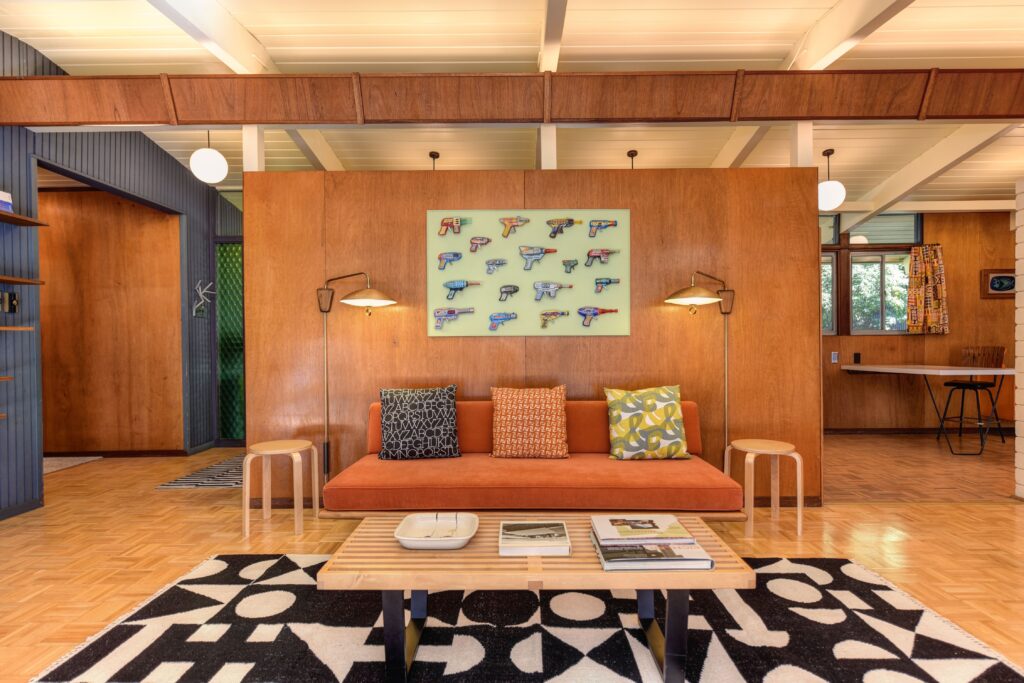
My grandfather had a particular teak sideboard in his living room throughout my entire childhood, with these distinctive tapered legs and simple brass handle details, and for years I genuinely assumed it was just old furniture rather than anything with a specific design pedigree behind it. It was the kind of piece I barely noticed as a child, the way you barely notice any furniture that has simply always been there in the background of family gatherings and quiet Sunday afternoons.
It was not until years later, scrolling somewhat aimlessly through an interior design account online during a slow evening, that I recognized that exact sideboard style and realized it was genuinely mid century modern design, the same furniture movement I had been quietly admiring in countless other people’s living rooms for a couple of years without ever connecting it back to my own childhood memories at all. There is something strange and slightly moving about realizing a piece of furniture you grew up around was actually a celebrated design icon the entire time.
That realization sent me on a genuine, fairly determined mission to recreate some of that same warmth and sleek simplicity in my own living room, eventually spending several months tracking down a teak sideboard remarkably similar to his. Here is everything I learned along the way, creating a mid century modern living room that feels both genuinely timeless in its design and personally, specifically meaningful to me.
1. Understand What Makes Mid Century Modern Living Room Ideas So Enduring
Before changing anything in my own space, I spent considerable time trying to understand why this particular style, born primarily in the 1940s through the 1960s, has remained so consistently appealing for well over half a century, far longer than most design trends manage to stay genuinely relevant rather than simply nostalgic.
Mid century modern design emphasizes clean, simple lines, organic curved shapes paired thoughtfully with geometric structure, and a genuine, lived-in warmth created through natural materials like teak, walnut, and rosewood, rather than anything cold or overly minimal in the way some contemporary minimalism can feel. It emerged as a fairly direct response to the more ornate, heavier furniture styles that had come before it, prioritizing function and honest, visible materials, but crucially never sacrificing warmth or genuine comfort in pursuit of pure visual minimalism the way some later design movements eventually did.
What this distinction meant for my own approach: I focused specifically on finding furniture with genuinely tapered, slender wooden legs and warm, rich wood tones, rather than anything cold, stark white, or overly severe, since true mid century modern style is considerably warmer and more inviting than people sometimes assume purely from glossy magazine photographs.
My early mistake worth mentioning: I initially bought a coffee table described online as mid century inspired, only to receive something with thick, blocky legs and a cold, glossy white finish that bore almost no resemblance to the warm, organic quality I had actually been seeking. I returned it and learned to look far more carefully at actual leg shape and material before buying anything described loosely as mid century style.
Pro Tip: Look specifically for furniture described as having tapered or splayed legs when searching for genuinely mid century modern pieces, since this particular leg silhouette is one of the single most reliable visual signatures of authentic furniture from this era. For more on timeless, warm decorating approaches check our guide on scandinavian small space decor.
2. Invest in a Genuine Teak or Walnut Sideboard
Following my grandfather’s example, almost literally and quite deliberately, a warm teak sideboard with tapered legs and simple, understated brass hardware eventually became the genuine anchoring piece of my entire living room, the single piece everything else now seems to arrange itself around.
The months-long search this actually took: Finding a sideboard with the right proportions, the right leg shape, and a finish that had aged genuinely well rather than looking either too pristine or too damaged took considerably longer than I expected, closer to four months of regularly checking secondhand furniture listings before I found one I genuinely loved.
What I store and display on it now: A record player and a small collection of records sit on top, with everyday living room clutter, remote controls, coasters, spare cables, organized inside the sliding doors below, keeping the visible top surface relatively clear for just a small ceramic lamp and a single trailing plant.
Why this piece specifically anchors the room so effectively: Its warm, golden-brown wood tone, slightly darkened with age in exactly the way teak develops over decades, sets the entire color temperature for everything else in the room. Every other wood tone, every textile color, every accessory I have added since has been chosen specifically to complement this one piece rather than the other way around.
Pro Tip: Genuine vintage teak sideboards are widely available secondhand, often through local listings rather than specialist vintage shops, and frequently cost considerably less than new reproduction furniture of comparable size, while carrying far more authentic character and history. For more furniture sourcing ideas check our guide on grandmillennial decor ideas.
3. Choose a Sofa With Visibly Tapered Wooden Legs
My previous sofa sat almost directly on the floor, with very short, barely visible legs hidden beneath a fabric skirt, which felt visually heavy and noticeably at odds with the lighter, more elevated mid century aesthetic I was gradually building toward throughout the rest of the room.
What I replaced it with specifically: A low-profile sofa with distinctly tapered, slender wooden legs in a matching warm walnut tone to my sideboard, raising the entire piece visibly off the floor and immediately establishing the correct silhouette and sense of lightness for the room.
Why visible legs matter so much more than I initially appreciated: Furniture that sits directly on the floor, regardless of how comfortable or otherwise attractive it is, visually anchors a room and can make even a spacious living room feel slightly more cramped and heavy. Furniture raised on visible, slender legs allows light and visual space to flow underneath, creating an immediate sense of airiness that is genuinely central to the mid century aesthetic.
The comfort consideration I had to balance: Many genuinely vintage mid century sofas, while visually perfect, were originally built with considerably firmer, lower cushioning than contemporary comfort standards typically expect. I eventually chose a newer sofa built specifically in the mid century style rather than an actual vintage piece, prioritizing daily comfort over absolute period authenticity for this one particular item.
Pro Tip: Visible, tapered legs on every major piece of furniture throughout your living room create the light, elevated quality that genuinely defines mid century modern style, allowing light and visual floor space to flow beneath each piece rather than being blocked by heavy, floor-level furniture. For more furniture ideas check our guide on small space furniture ideas.

4. Add One Genuinely Iconic Accent Chair
A single egg-shaped accent chair, upholstered in a warm mustard boucle fabric and mounted on a simple swiveling wooden base, sits in the corner of my living room and has become, somewhat to my surprise, one of the single most photographed pieces in my entire apartment whenever friends visit.
Why I chose this particular shape specifically: The egg chair is one of the most genuinely iconic silhouettes to emerge from this entire design era, instantly recognizable even to people who could not otherwise identify any other piece of mid century furniture by name. Investing in one truly iconic shape, even at a higher cost than several more generic pieces combined, made a more immediate and more confident statement than scattering my budget across many less distinctive items.
How I actually use it day to day: It has become my preferred spot for morning coffee and reading, positioned to catch the early light from my east-facing window, and the gentle swivel base means I can turn slightly to face either the window or the rest of the room depending on my mood.
Pro Tip: One genuinely iconic mid century chair shape does considerably more to establish the aesthetic throughout an entire room than several generic, less distinctive pieces combined, since the silhouette itself carries so much immediate recognition. For more accent chair ideas check our guide on aesthetic living room ideas.
5. Build Your Color Palette Around Warm, Earthy Tones
Burnt orange, warm mustard yellow, and a deep, slightly muted avocado green now appear throughout my cushions, my throw, and several smaller accessories, bringing exactly the warm, earthy palette this particular design era is genuinely known and loved for.
Why I moved away from the cooler greys I had been using previously: My living room before this project had been decorated in fairly fashionable cool greys and whites, which, while perfectly pleasant, felt completely disconnected from the warmer, more saturated palette that actually defines authentic mid century interiors. Cool grey simply was not a color combination this design era embraced in any meaningful way.
How I introduced these colors gradually: Rather than repainting walls immediately, I started with textiles, an orange cushion here, a mustard throw there, allowing myself to live with the new palette for a few months before committing to anything more permanent like wall color.
Pro Tip: Mid century color palettes draw heavily and specifically from nature, ochre, rust, olive, and warm chocolate brown, rather than the cooler greys and stark whites common in much contemporary design, so actively resist the urge to default to grey when building this particular aesthetic. For more color guidance check our guide on color schemes for small rooms.
6. Add a Brass Starburst or Sunburst Wall Clock
A large brass starburst clock, with thin metal rays radiating outward from a small central clock face, hangs above my sideboard and adds genuine period character while remaining one of the single most recognizable and most widely available mid century decorative objects you can find.
Why this particular object carries so much period weight: Starburst clocks were genuinely everywhere in homes throughout the 1950s and 1960s, making this specific shape almost instantly synonymous with the era for anyone even passingly familiar with mid century design history.
Where I positioned mine and why: Directly above the sideboard, at a height where it reads clearly from across the room without competing visually with anything else on the wall around it, since the radiating metal rays already provide considerable visual interest on their own.
Pro Tip: A starburst clock is a genuinely affordable and widely available way to add authentic mid century character to almost any wall, available both as genuine vintage pieces and faithful modern reproductions at very accessible prices. For more wall decor ideas check our guide on small space wall decor ideas.
7. Choose Geometric or Atomic Print Textiles
Two cushions in a bold, atomic-inspired geometric print, featuring repeating boomerang shapes in mustard and burnt orange against a cream background, bring exactly the playful, optimistic pattern this design era is genuinely known for, without overwhelming the rest of the more solidly colored room.
Why atomic age prints specifically suit this aesthetic: These particular patterns, featuring boomerangs, starbursts, and abstract amoeba-like shapes, emerged directly from the post-war fascination with science, space travel, and atomic age optimism, making them uniquely and specifically tied to this exact historical moment rather than feeling generically retro.
How I keep the pattern from overwhelming the room: I limited myself to just two cushions in this bold print, keeping every other textile in the room, my throw, my rug, in solid coordinating colors rather than additional competing patterns.
Pro Tip: Atomic age prints, with their distinctive boomerang and starburst motifs, are genuinely unique to this specific design period and remain instantly recognizable, so even a small dose goes a long way toward establishing authentic period character. For more pattern ideas check our guide on grandmillennial decor ideas.
8. Add a Genuinely Sculptural Floor Lamp
An arc floor lamp, with a heavy marble base anchoring a long, curved metal arm that sweeps a simple drum shade out over my seating area, became both genuinely useful task lighting beside my reading chair and a striking sculptural object in its own right, regardless of whether it is switched on.
Why I chose this particular lamp style: Mid century lighting design consistently prioritized sculptural form alongside basic function, treating lamps as genuine design statements worthy of admiration even when unlit, rather than purely utilitarian objects to be tucked away and barely noticed.
The practical benefit I had not anticipated: Because the curved arm extends the light source out over my seating area from a base positioned well out of the way, I gained genuinely useful, well-positioned reading light without needing any side table at all in that particular corner.
Pro Tip: Mid century lighting design consistently prioritized sculptural form alongside genuine function, making lamps themselves into legitimate design statements rather than purely utilitarian objects relegated to the background of a room. For more lighting ideas check our guide on small space lighting ideas.
9. Display a Collection of Vintage Studio Pottery
A small, gradually assembled collection of vintage studio pottery, in warm earthy glazes ranging from deep brown to a mottled olive green, displayed across two open shelves, adds authentic period character and a genuine sense of accumulated history throughout my living room.
How this collection actually began: The very first piece was a small, slightly imperfect brown ceramic vase I found at an estate sale for almost nothing, bought purely because I liked its weight in my hand and the slightly uneven glaze across its surface. Several more pieces followed gradually over the following year, each found individually rather than purchased as any kind of matching set.
Why studio pottery specifically suits mid century interiors: This era genuinely celebrated handmade, individually crafted ceramics with visible glaze variation and slight asymmetry, standing in deliberate contrast to the smooth, uniform surfaces of much of the era’s furniture, creating an appealing textural balance throughout a room.
Pro Tip: Vintage studio pottery from this specific era is widely available secondhand at very reasonable prices and adds genuine warmth and accumulated history to open shelving displays in a way that new, uniform ceramics simply cannot replicate. For more display ideas check our guide on how to style bookshelves in small spaces.
10. Add One Bold Statement Houseplant
A large, architectural fiddle leaf fig, planted in a simple, unglazed ceramic planter, completes the mid century look in my living room with exactly the organic, biophilic touch this particular era genuinely embraced rather than treating as a purely contemporary trend.
Why this addition felt especially fitting historically: Mid century design consistently celebrated bringing natural, organic elements indoors to balance the cleaner, more geometric lines of the furniture itself, making a bold statement plant a historically authentic choice rather than simply a modern decorating habit applied retroactively to an older style.
Where I positioned it and why: In the corner beside my egg chair, where its large, glossy leaves catch the same morning light I enjoy during my coffee, and where its height helps balance the visual weight of my teak sideboard on the opposite side of the room.
Pro Tip: Mid century design genuinely celebrated bringing organic, natural elements indoors as a deliberate balance to clean geometric furniture lines, making a bold statement plant a historically authentic addition to this aesthetic rather than merely a modern trend layered on top. For more plant ideas check our guide on small space plants ideas.

My Final Thoughts
Recognizing my grandfather’s old sideboard in a random scroll through an interior design account changed how I see both my own family history and my own decorating instincts, and recreating that same warmth in my own living room over these past several months has connected me to him in a way I genuinely did not expect from what started as a fairly ordinary decorating project.
The teak sideboard and the visibly tapered sofa legs made the single biggest difference for me personally, establishing the warm, elevated foundation that every other choice in the room has built upon since.
Start with one genuine vintage wood piece, a sideboard or a single accent chair, and let the rest of the warmth in your room build gradually and naturally around it.
Which of these mid century modern living room ideas would you try in your own space? Tell me in the comments, I would genuinely love to know.
For more small space inspiration explore all our articles on Tiny Room Style!