
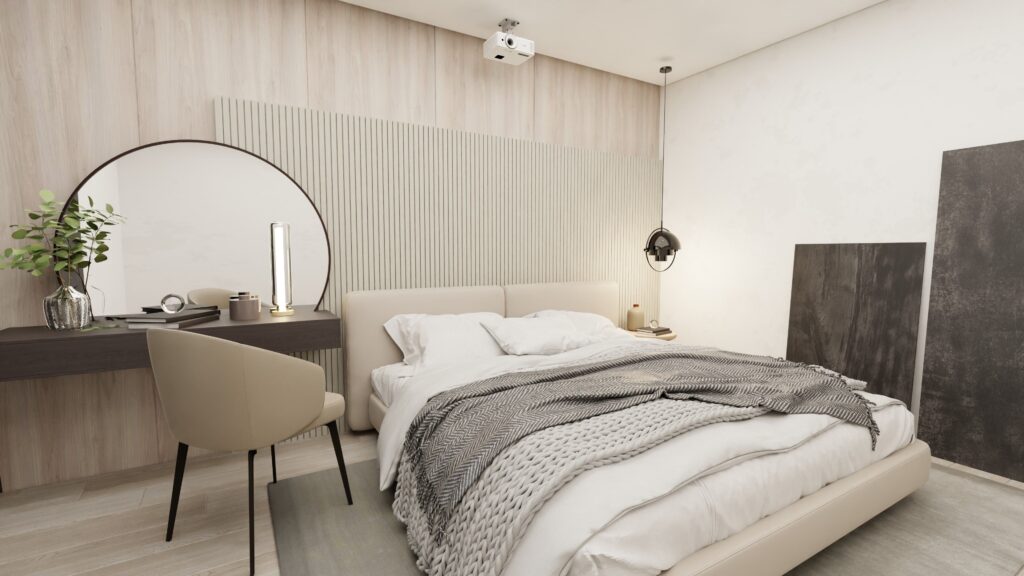
I am someone who spent most of my adult life believing that a beautiful bedroom required abundance. More cushions, more throws, more layered textiles, more carefully arranged objects on every surface. My bedroom for several years was deeply maximalist, and I loved it, until I went through an extended period of genuinely poor sleep and started reading everything I could find about what environmental factors might be contributing to it.
Almost every credible source I found pointed in the same direction. Visual clutter in a bedroom raises background stress levels in a way that accumulates throughout the night, making genuine rest harder to achieve even when you are technically asleep. I was resistant to this idea for longer than I should have been, because I had invested real time and money in my maximalist setup and did not want to admit it might be working against me.
Then a close friend moved into a new apartment and invited me over, and I walked into her bedroom and immediately felt something shift. It was the calmest room I had ever stood in. Pale wood, white linen, one small plant, nothing more. She told me she had been following Japandi principles, a design philosophy combining Japanese minimalism with Scandinavian warmth, and that she had slept better in that room than anywhere she had ever lived.
I went home and spent the next three months gradually transforming my own bedroom. My sleep genuinely improved. Here is everything I learned.
1. Understand What Japandi Actually Means Before You Begin
The single most useful thing I did before changing anything was spending real time understanding the philosophy behind Japandi, rather than just copying the aesthetic surface-level without understanding why it works.
Japandi is not simply minimalism with wood tones. It draws from the Japanese concept of wabi-sabi, which finds beauty in imperfection, incompleteness, and natural aging, combined with the Scandinavian concept of hygge, which prioritizes warmth, comfort, and a sense of quiet sanctuary. The result is a style that feels simultaneously spare and deeply cozy, which sounds contradictory until you actually experience it.
What this meant practically for my bedroom: Every object I kept needed to earn its place not just by being useful but by being genuinely beautiful in a quiet, understated way. Functional objects with ugly aesthetics went into drawers. Beautiful objects with no function were evaluated honestly and mostly removed.
Pro Tip: Before removing or replacing anything in your bedroom, ask of each object whether it is either genuinely useful or genuinely beautiful in a calm, understated way. Objects that are neither should leave the room entirely. For more on the Japandi philosophy check our guide on japandi living room ideas.
2. Japandi Bedroom Ideas Begin With a Low Platform Bed
The bed is the largest single object in almost every bedroom, which means it has more visual influence over the overall feeling of the room than anything else you could possibly change.
What I replaced my existing bed with: A simple, low platform bed frame in pale, lightly oiled oak. No headboard ornamentation, no storage drawers underneath creating visual bulk at floor level, no elaborate frame detailing. Just clean horizontal lines sitting close to the floor.
Why low matters so much specifically: A low bed creates a stronger visual connection between your sleeping level and the floor, which subconsciously reads as grounded and calm rather than elevated and imposing. Japanese sleeping culture traditionally embraces this closeness to the floor precisely because of how it affects the quality of rest.
The practical adjustment: I am not going to pretend that getting up from a low bed feels as easy as getting up from a standard height one, especially first thing in the morning. You do adapt relatively quickly, and the visual effect on the room is significant enough that I genuinely do not regret the trade.
Pro Tip: If a full platform bed replacement is outside your current budget, removing a box spring and placing your existing mattress directly on low bed slats achieves a very similar visual effect at a fraction of the cost. For more bedroom furniture ideas check our guide on minimalist bedroom ideas.
3. Choose Bedding in a Single Muted Neutral Tone
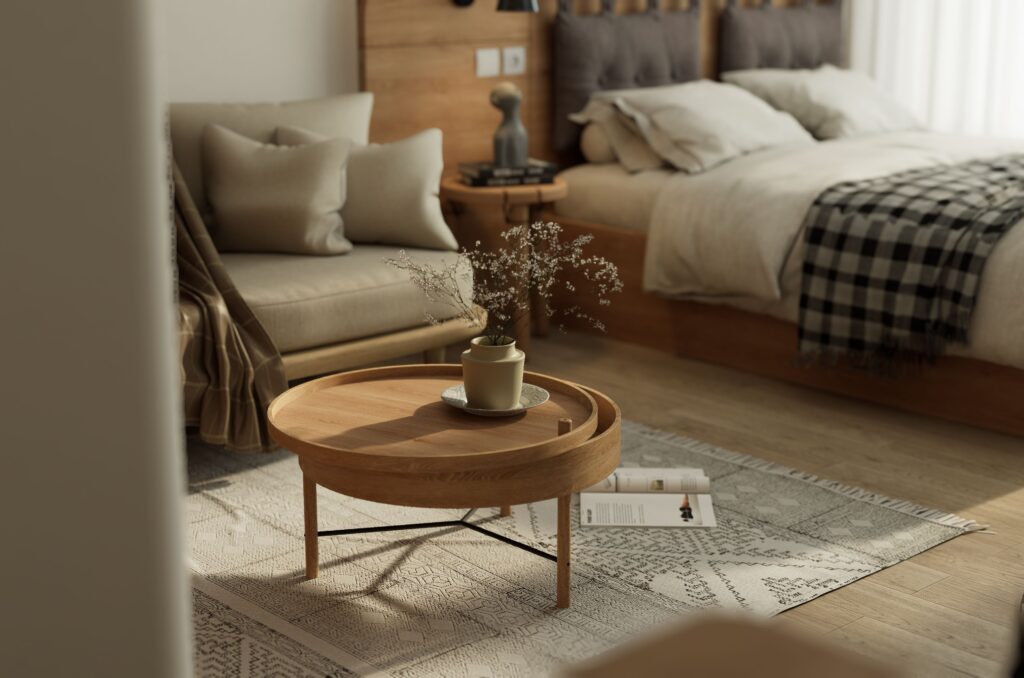
My previous bedding was a layered collection of cushions, throws, and duvet covers in multiple patterns and colors that I had genuinely loved assembling. Letting it go was harder than I expected.
What I replaced it with: A single high quality white linen duvet cover and two matching pillowcases, with one folded sage green throw across the foot of the bed and nothing else.
Why linen specifically over cotton: Linen has a natural, slightly textured quality that reads as warmer and more characterful than plain cotton, which matters enormously in a Japandi bedroom where textiles are doing most of the warmth-creating work that accessories and objects would do in other styles. It also softens and improves in texture with every wash, which aligns beautifully with the wabi-sabi appreciation for things that age gracefully.
The psychological effect of sleeping in a visually simpler bed: Within about a week of making this change, I noticed I was falling asleep faster. I cannot claim this is purely the bedding rather than all the other changes I made simultaneously, but my working theory is that lying down in a visually calm bed stops the brain from having interesting things to look at and process, which helps it move toward sleep more readily.
Pro Tip: Choose bedding in a single muted neutral, white, warm oatmeal, or pale sage, rather than pure bright white if you find clinical white too stark, and invest in the highest thread count you can genuinely afford since you will feel the difference every single night. For more on bedroom textiles check our guide on cozy bedroom ideas.
4. Limit Your Color Palette to Three Tones Maximum
My Japandi bedroom operates within three colors only: warm white for the walls and bedding, pale natural oak for the furniture, and one muted sage green accent appearing in the throw and the single plant.
How I chose these three specifically: I started with the furniture tone, since I had already committed to the pale oak bed frame, and then worked backward. Warm white walls complement pale wood naturally without competing with it. Sage green is the single accent color most naturally associated with the quiet, organic quality Japandi interiors aim for.
Why three is the right constraint: Two colors can feel slightly severe and unfinished. Four or more colors start to create the visual busyness that Japandi exists to avoid. Three allows for genuine visual interest and warmth within a framework that still reads as genuinely calm.
What happens when you introduce a fourth color accidentally: I learned this the hard way when I bought a terracotta ceramic pot for a plant and placed it on my bedside table. It was a beautiful object. It was also immediately, subtly wrong in the room, introducing a warmth that competed with the sage green accent rather than supporting it. I moved it to my kitchen where it was much happier.
Pro Tip: Choose your three colors before buying a single new item for your Japandi bedroom, and test every potential purchase against those three colors before bringing it home, since even one misaligned accent color can undermine the overall feeling significantly. For more on color palette selection check our guide on color schemes for small rooms.
5. Use Natural Materials Throughout Without Exception
Every material in my Japandi bedroom is either natural or deliberately chosen to evoke natural textures. Oak wood, linen fabric, ceramic, jute, stone.
What I removed: A plastic storage box that lived under my bed, a synthetic throw I had owned for years, a mass-produced resin lamp base, and several objects in materials I could not honestly identify.
Why material honesty matters in this specific style: Both Japanese and Scandinavian design traditions share a deep respect for the inherent beauty of natural materials used honestly, without pretending to be something they are not. A wooden object that looks like wood is more at home in a Japandi bedroom than a plastic object painted to look like wood, even if the visual difference is subtle.
Where I found natural material pieces affordably: Secondhand shops and estate sales are genuinely extraordinary resources for Japandi-appropriate objects, since older household items were routinely made from solid wood, ceramic, and natural textiles in ways that most mass-produced contemporary alternatives are not.
Pro Tip: Work through your bedroom systematically and identify every synthetic material currently present. Prioritize replacing the most visually prominent synthetic items first, since they do the most damage to the overall natural feeling of the room. For more on natural materials check our guide on wabi sabi home decor ideas.
6. Let Your Walls Stay Almost Completely Bare
This was the change that felt most extreme and took me longest to commit to. My walls had previously held several framed prints, a mirror, and a small shelf displaying objects. I removed almost everything.
What I kept: One single piece of art, a small, simple ink brushstroke painting on pale paper in a thin natural wood frame, above my bed. Nothing else on any other wall.
Why near-bare walls work specifically in a Japandi bedroom: The walls in this style function as breathing space rather than display surfaces. They give your eyes somewhere to rest that asks nothing of you, which is precisely what a sleep space needs and what so many Western bedrooms, including my previous one, forget entirely.
The adjustment period: Living with near-bare walls felt genuinely uncomfortable for the first two weeks, in a way I had not anticipated. I kept wanting to add things back. I am glad I did not, because by week three the bare walls had stopped feeling empty and started feeling restful in a way I had genuinely never experienced in a bedroom before.
Pro Tip: If completely bare walls feel too extreme as a starting point, commit to one single piece of art maximum above your bed and remove everything from the remaining three walls entirely, giving yourself at least a month before deciding whether to add anything back. For more on wall styling check our guide on minimalist bedroom ideas.
7. Add Exactly One Plant, Chosen and Positioned Carefully
My Japandi bedroom contains a single small-leafed plant in a simple white ceramic pot, sitting on the floor in the corner beside the window where it receives indirect morning light.
Why one plant rather than several: Multiple plants, even beautifully chosen ones, introduce visual complexity and a sense of abundance that works against the quiet, restrained quality Japandi aims for. One plant, positioned thoughtfully, reads as intentional. Several plants read as a collection, which is a different thing entirely.
How I chose which plant specifically: I wanted something with small, delicate leaves rather than large dramatic foliage, because large-leafed plants like monsteras, however beautiful, carry a different visual weight than the quiet Japandi aesthetic calls for. I chose a small-leafed fig variety that fits the scale of the room and the mood of the style.
The ceramic pot choice: The pot is important. A plastic pot, even a well-shaped one, undermines the natural material commitment immediately. A simple white ceramic pot, unglazed on the exterior, reads as both natural and considered.
Pro Tip: Choose a plant with small to medium leaves in muted green rather than dramatic variegated or brightly colored foliage, and house it in an unglazed ceramic or simple stone pot rather than any synthetic material. For more on plants in small spaces check our guide on small space plants ideas.
8. Choose Lighting That Creates Warmth, Not Brightness
My bedroom previously had a single overhead light that I used constantly, because it was the obvious and default option. It was also, in hindsight, exactly the wrong light for a room meant to transition you toward sleep each evening.
What I replaced it with: Two small ceramic table lamps on either side of my bed, each fitted with a warm 2700K bulb, used exclusively in the evenings. The overhead light I now use only when I genuinely need to see something clearly, such as finding a dropped item or sorting laundry.
Why warm side lighting specifically helps sleep: Overhead lighting in the evening sends signals to your brain that are at odds with the transition toward sleep, in part because it mimics midday sunlight falling from above. Warm side lighting at eye level mimics the quality of late afternoon or evening light, supporting the natural melatonin production that overhead light actively suppresses.
The lamp aesthetic: Both lamps are simple thrown ceramic bases in a warm off-white tone, with plain natural linen shades. They are not statement pieces. They are not meant to be noticed. They exist purely to provide the right quality of light at the right moment of the day.
Pro Tip: Switch your bedroom to warm side lighting only after seven in the evening and notice within a week whether your transition to sleep feels different. For most people the difference is noticeable within just a few days. For more lighting ideas check our guide on small space lighting ideas.
9. Eliminate Visible Storage Entirely
Every item of clothing, every book not currently being read, every object without a daily use, lives behind a closed door or inside a drawer in my Japandi bedroom. Nothing sits visible on open surfaces except the lamp, the plant, and one small ceramic tray.
How I managed this practically: I own less than I used to. This is the honest answer, and it is the one most design guides avoid saying clearly. Japandi storage solutions work beautifully when they are dealing with a genuinely edited amount of possessions, and they struggle when they are being asked to hide an unlimited amount of accumulated stuff behind closed doors.
The ceramic tray system: One small ceramic tray on my bedside table holds only what I genuinely use every single night. Currently that is a lip balm, my phone, and my glasses case. Everything else that used to live on that surface has found a home elsewhere.
Why visible storage undermines the Japandi feeling so completely: Open shelves displaying objects, however beautifully arranged, introduce the same visual work for the eye that Japandi specifically exists to eliminate. Even a thoughtfully curated open shelf is still asking something of your brain every time you look at it.
Pro Tip: Before investing in any new storage furniture for a Japandi bedroom, spend two weeks genuinely editing what you own and removing from the room anything you do not use daily. The storage problem in most bedrooms is partly a quantity problem, not purely an organizational one. For more on editing possessions check our guide on how to declutter a small space.
10. Build the Habit of Making Your Bed Every Single Morning
This final point has almost nothing to do with design and everything to do with the actual daily experience of living in a Japandi bedroom, and I include it because it genuinely matters more than most decorating advice acknowledges.
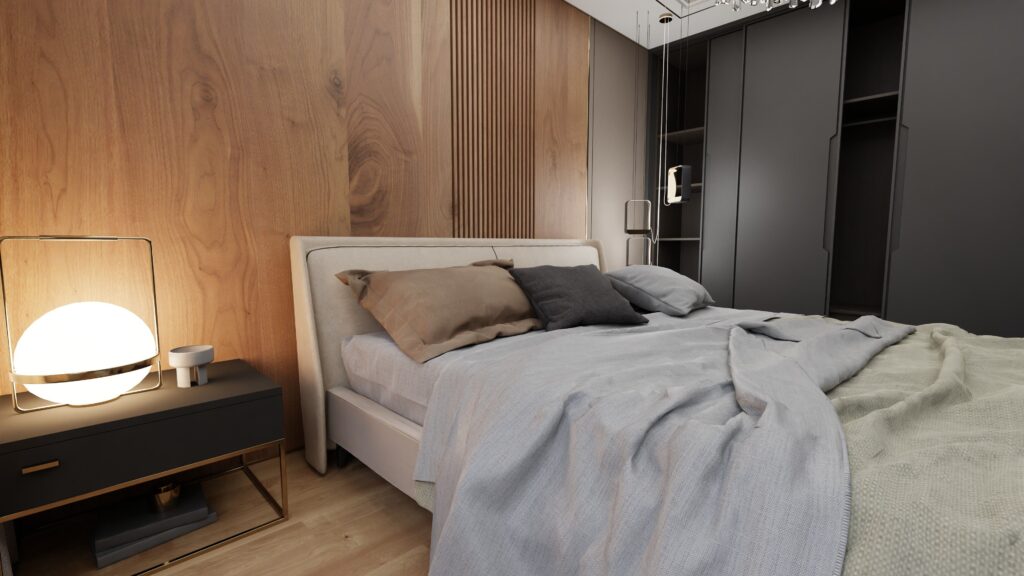
Why it connects specifically to this style: A Japandi bedroom relies on uncluttered, calm horizontal surfaces for almost all of its visual peace. The bed is by far the largest horizontal surface in the room. An unmade bed does not simply look messy in this context. It actively destroys the entire mood of the room, in a way that a messy bedside table in a maximalist bedroom simply would not.
My current morning habit: I make my bed within five minutes of getting up, before doing anything else, including making coffee. It takes less than three minutes for a bed with a single duvet and two pillows. Those three minutes determine how the room feels for the entire rest of the day.
The psychological return: Walking back into a made Japandi bedroom in the middle of a chaotic or stressful day provides a genuinely measurable sense of calm that I did not anticipate when I started this. The room does its job only when it is maintained, and maintaining it takes almost no time at all.
Pro Tip: Place your bed-making habit immediately before a habit you already have locked in, such as making coffee or brushing your teeth, so it attaches itself to your existing morning routine rather than requiring separate willpower to remember. For more on maintaining calm spaces check our guide on small space living tips.
My Final Thoughts
My friend’s bedroom changed something in how I think about what a sleep space is actually for, and I genuinely wish I had made these changes years earlier rather than waiting until poor sleep forced my hand.
The low platform bed and the near-bare walls made the single biggest visual difference for me personally, but it was the habit of making my bed every morning and the switch to warm evening lighting that made the overall improvement in my sleep feel genuinely sustainable rather than just temporary.
Start with your bedding this week. Replace whatever you currently have with a single white or oatmeal linen set, remove everything from your bedside table except your lamp and one small tray, and notice how the room already feels different before you have changed anything else.
Which of these Japandi bedroom ideas would make the biggest difference in your own space? Tell me in the comments, I would genuinely love to know.
For more small space inspiration explore all our articles on Tiny Room Style!
I like the idea of using minimalist decor to create a calming space. Do you think plants play a big role in achieving that vibe?